SEC-00 / NAV

Company

Company / Quality

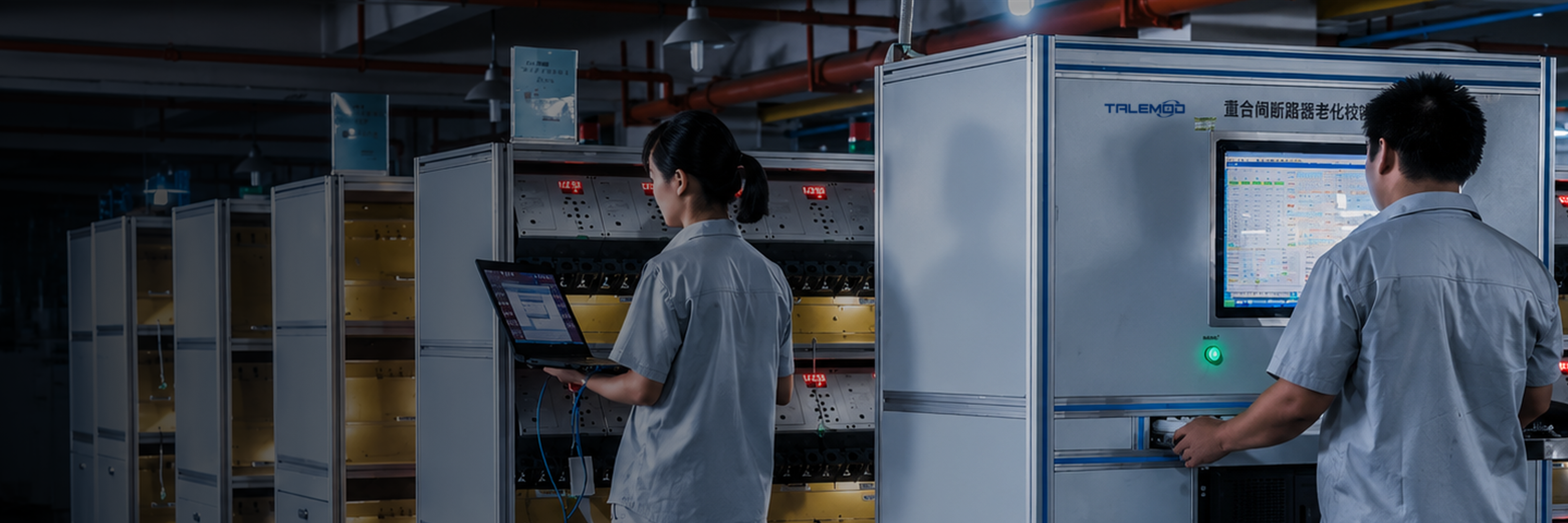
Engineer performing MCCB quality verification at a testing cabinet before shipment approval Engineer-led Release Verification

01

Quality Control Designed to Reduce Project Risk

Most failures do not come from one bad unit. They come from inconsistency across batches.

IEC-aligned testing Batch consistency Traceable control

02

Problem

Why quality fails in real projects

  • Different batches behave differently
  • Testing is done only at the end
  • No traceability when issues happen

03

Quality Philosophy

Quality is controlled by process, not by inspection alone.

The real quality risk in project supply is not one unusually good unit. It is whether the next batch, the next shipment, and the next repeat order behave the same way. Our system is designed to reduce variation before it becomes a problem on your site.

04

Material Control Flow

How traceability and FIFO control reduce batch risk before shipment

Incoming Material Inspection

Risk eliminated: unverified incoming components entering the assembly flow

FIFO Lot Control

Risk eliminated: material mix-up, aging stock use, and incorrect lot sequence

In-process Verification

Risk eliminated: batch-level deviation spreading through repeated assembly

Release & Shipment Check

Risk eliminated: incorrect release status, packing mismatch, and dispatch errors

Result: Material identity, batch sequence, and release status stay controlled before shipment
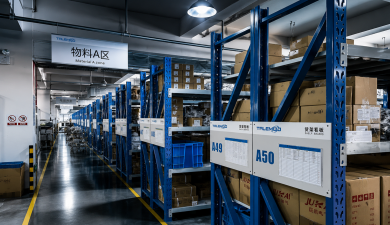
Industrial material traceability warehouse for batch-controlled incoming inventory
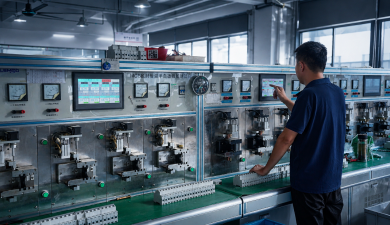
FIFO material control system for inventory rotation and batch traceability

Quality control starts at the warehouse stage, not only at the test bench. Material traceability and FIFO handling keep lot identity, stock sequence, and release records aligned before assembly and shipment move forward.

05

Testing Capability

Precision Test Infrastructure & Lifecycle Verification

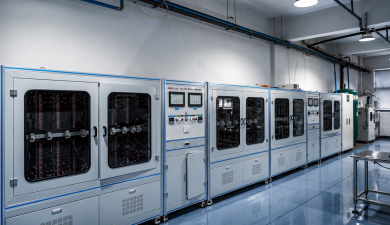
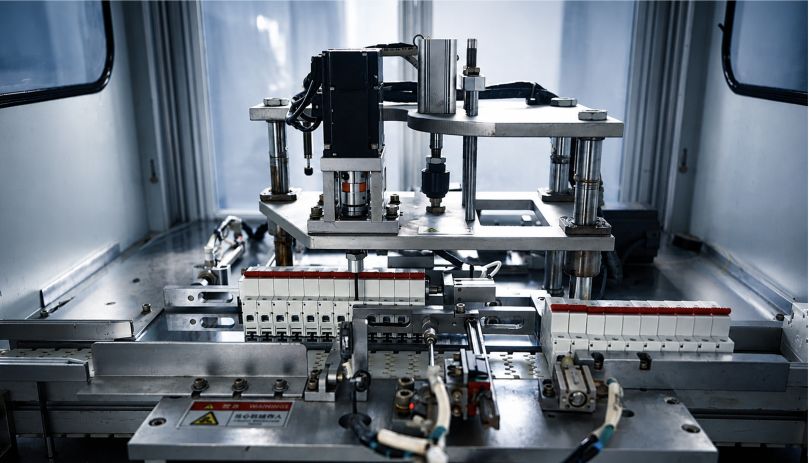
Circuit breaker lifecycle testing equipment for repeated switching cycle durability verification Lifecycle Testing Equipment

Lifecycle testing is used to verify breaker durability and operating stability across repeated switching cycles before release.

Testing Scope

  • Short circuit test Verifies fault protection under short-circuit conditions.
  • Endurance test Ensures lifecycle stability across repeated operating cycles.
  • Thermal test Validates performance under load and temperature rise conditions.

06

Standards

Compliance Standards & Safety Certifications

Standard

IEC 60947-2 Defines performance expectations for low-voltage circuit breakers in real operating conditions.

Compliance

CE / RoHS Ensures compliance for EU market entry and documentation requirements.

Control Outcome

Documented Compliance Makes approval handling clearer for project teams and procurement review.

07

Consistency / Batch Control

Consistency is engineered, not assumed.

Traceability

Batch traceability keeps decisions linked to the right production lot.

Incoming inspection, warehouse movement, and shipment release records can be tied back to the right lot for clearer follow-up when questions appear.

Makes reorders predictable

Process Control

Standardized process control helps reduce variation across repeated orders.

The production path is structured so key checkpoints stay stable when the same family is produced again for future orders.

Reduces variation between batches

Repeatability

Repeatable production setup is what makes shipment quality usable at project scale.

Repeatability is managed through setup control, verification discipline, and consistency between one batch and the next.

Keeps project performance stable

08

Result

What this means for your project

  • Stable performance across shipments
  • Reduced risk of site failure
  • Easier approval and compliance handling

09

Need predictable performance across every shipment?

Send the application, target market, or compliance request. We will respond with the right testing and quality-control information path.

Contact Engineer

Quality